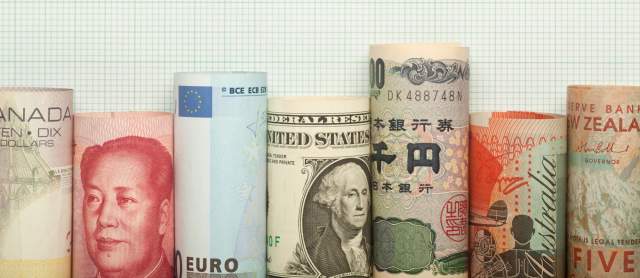
Top 10 Tips On Currency Conversion Rates And Fees
The cost of currency conversion is becoming increasingly essential for financial transactions. This is the case whether you're conducting international business, travelling abroad or managing your investments in foreign currencies. These fees can be very different based on the person providing the service, the method by which the exchange was performed, and what currencies are involved. Understanding these fees can allow you to save money and make informed decisions. The top ten suggestions regarding currency exchange charges will assist business owners, travelers and investors.
1. What are the different types of conversion charges?
The fees associated with currency conversion are available in a variety of forms, including transaction fees, service charges, and markups for exchange rates. Service fees can represent a percentage of the total amount, and transaction fees are a fixed fee for every exchange. Exchange rate marksups occur when a provider offers an exchange rate that is lower than the market rate. Knowing the different types fees helps you to identify the most cost effective alternatives.
2. Compare Rates from a Variety of Providers
It is crucial to compare rates prior to changing currencies. Currency exchange kiosks, banks and online platforms typically have different fee structures and exchange rates. Utilize currency converters to get real-time rates and determine the total cost, including charges. This can help you to find the most affordable price, and save money, especially when you're exchanging large quantities.
3. There are no-cost currency exchange options
Certain financial institutions or banks offer accounts with no cost currency conversions, or lower costs for specific transactions. For example online banks as well as fintech firms often offer fee-free currency conversions for account holders. Think about opening an account with one of these companies when you regularly deal in foreign currencies. This could help you avoid any unnecessary costs.
4. Be aware of dynamic currency Conversion (DCC) Charges
If you're paying with a debit or credit card abroad, it is possible that you will be given the choice to pay in your local currency by an application called Dynamic Conversion. This may be convenient, but you will often incur higher conversion fees and pay a lower rate of exchange. Make sure to pay in local currency whenever you can to avoid any additional costs and obtain the best rate.
5. Use credit cards with no foreign transaction fees
If you are traveling, credit cards that do not charge foreign transaction fees could help you save money. Many credit cards geared towards travel offer this feature, which allows shoppers to shop overseas without paying additional charges. Choose a card that fits your lifestyle and provides favorable exchange rates as this will reduce the cost of travel when you travel.
6. Take note of ATMs when you need to withdraw money
If you are using ATMs, they can provide better rates than exchange kiosks. Be aware of any charges that could be imposed from your bank or the ATM operator. If you want to cut costs, use ATMs to the bank you are with. You can also withdraw cash in local currency, and avoid conversion charges.
7. Prepare for the currency conversion
Avoid last-minute exchanges for currency at airports or tourist hotspots. The costs charged are higher. Instead, plan your currency conversion ahead of time to make the most of lower rates and less costs. If you're looking to cut costs on your immediate travel expenses, consider exchanging small amounts of currency prior to leaving. But, you must think about changing larger amounts to benefit from better rates after arriving.
8. Track the rate of exchange trends
Pay attention to changes in exchange rates so you can determine the best time to change your currency. Changes in exchange rates could lead to varying fees and costs and therefore monitoring these changes will allow you to plan your conversions strategically. Use the latest financial news and information to help you make the right decisions.
9. Calculate hidden charges when performing transactions
Be aware that some companies charge hidden fees which are not immediately obvious. This can include service charges as well as maintenance fees for accounts with foreign currencies, or undesirable exchange rates. Be sure to read the fine print and always ask questions so that you can fully understand the costs of exchange rates. This diligence will help prevent any unanticipated charges and you can make better financial choices.
10. Get financial advice from experts before making major transactions
If you plan to make large-scale purchases or deal with complicated currency exchanges, it might be beneficial to speak with financial experts. Experts in currency can offer insight on the most effective methods for cutting down on conversion costs and maximizing your transactions. This is crucial for companies involved in international business or for investors who wish to be able to manage their currency risk efficiently.
You can better navigate the process of currency exchange by following these tips. Understanding the nuances in conversion fees empowers you to make decisions about your finances that are in line with your personal or professional goals. Read the recommended dollar for more recommendations including currency converter, us dollar in indian rupees, dollar to rmb, 1 us dollar in indian rupees, usd to rs, us to baht, us dollar to php, dollar to euro, convert euro to usd, usd to aud and more.

What Are The Most Effective Methods Of Payment In Terms Of Currency Exchange Rates?
The correct payment method can be vital to ensuring the success of the financial transactions. This is the case whether you're traveling across the globe, running a business or tracking investment. The payment method that you choose will impact your the cost, security, and convenience. The payment options are diverse in terms of fees as well as acceptance levels and rates of exchange. These aspects can affect your financial position and your overall experience. Understanding the specifics of different payment methods can help you make well-informed decisions that are in line with your financial objectives. The top ten suggestions to help you select and effectively use payment methods in your financial pursuits are listed below.
1. Learn about the various payment Methods available
Be aware of the payment options available. This includes cash, credit/debit mobile, and digital wallets. Each option has both advantages and disadvantages when it comes to convenience, cost, or acceptance. Cash, though widely accepted and suitable for smaller transactions, is less secure. Knowing the advantages of each payment method will allow you to select the one most suitable for your needs.
2. Converting currencies is expensive.
Be aware that currency conversion charges may be imposed with a credit card or debit card to make international transactions. These fees vary widely between banks and credit card companies. Certain cards charge an additional fee for foreign transactions but other cards don't. If you are planning to travel abroad or make purchases abroad, you should contact your credit card company or bank in advance to inquire about their policies on fees for currency conversion. Select cards that will minimize these fees.
3. You can use credit cards without having to pay foreign transaction fees
If you plan to travel internationally or purchase items in foreign currencies, you should choose a card that does not charge transaction charges. This feature is provided by numerous travel-oriented credit cards, which permit you to use the card in other countries without having to pay additional charges. This could result in significant savings, especially for frequent travelers who could make large purchases in foreign countries.
4. Make use of mobile choices
Payment options via mobile devices, including Apple Pay, Google Pay, and others digital wallets provide a convenient way to make transactions without having cash or cards. These services have enhanced security features like biometric authentication and tokenization, making them a secure choice for both in-person and online transactions. If you want to reduce your spending, consider using mobile payments, particularly for small purchases.
5. Be aware of ATM charges when you withdraw money
– If you need to withdraw cash when traveling be aware of the potential ATM charges that vary significantly. Some banks charge fees for international withdrawals, while other banks may collaborate with local institutions to offer cash withdrawals for free. If you have to withdraw cash from an ATM overseas, it's worthwhile to research ATM network that offer lower fees. Also, think about taking out larger amounts at one time to minimize the number of transactions and associated fees.
6. Plan alternative Payment Methods
It is important to have a backup method of payment in the event that your primary method fails or you have to lose it. You can make purchases if you carry a second credit/debit or cash card. While traveling, this backup becomes even more important as certain places do not accept all payment methods. If you plan ahead you'll be able to handle any unexpected events better.
7. Keep track of exchange rates to make better decision-making
If you're making foreign currency purchases, monitor the exchange rates so that you can make an informed choice about whether or not you should convert your currency. Utilizing tools and apps which track exchange rates in real time can assist you in determining favorable conditions for converting currency. This knowledge will help you determine the best payment method.
8. Be Aware of Security Features
When you choose a payment method be sure to put your focus on security. Examine the security features provided by your credit card, bank provider, or payment processor. Search for fraud protection features including transaction alerts, transaction monitoring and encryption technology. Making sure you use secure payment methods to safeguard you from fraud as well as unauthorized transactions, especially when you make purchases online or abroad.
9. Review the Payment Policy for Business
Understanding payment policies can aid you in managing your cash flow. Examine the costs the features, acceptance rates and fees of the various payment processors. Choose a payment method that is compatible with your goals. Think about whether you would like to prioritise lower transaction costs, speedy processing times, or customer ease of use. A well-chosen payment method can improve customer satisfaction and simplify your business processes.
10. Learn about the different ways to pay for investments.
Investors must understand the options available to pay for and selling assets. Different brokerage platforms might offer various payment options for funding accounts or for executing trades. You should familiarize yourself with fees and processing delays associated with the various payment options. Additionally, consider the implications of utilizing margin accounts or leveraged investments, since they affect your overall financial strategy.
The following detailed advice for payment methods will help you navigate the maze of travelling, conducting business and keeping track of your investments. Understanding the various payment options, their costs and security measures will help you to make a more informed decision about your finances. In the end, choosing the best payment method can improve your overall experience, help you save money and give you peace of mind in your financial dealings. Follow the most popular get more info on CZK to EUR for more advice including usd to aud, baht to us dollar, eur to usd, dollar to euro, vnd to usd, doller to rupee, us dollar to rmb, usd to pakistani rupee, cdn to usd, cop to usd and more.